Why Busan? The City at the End of the Train Line
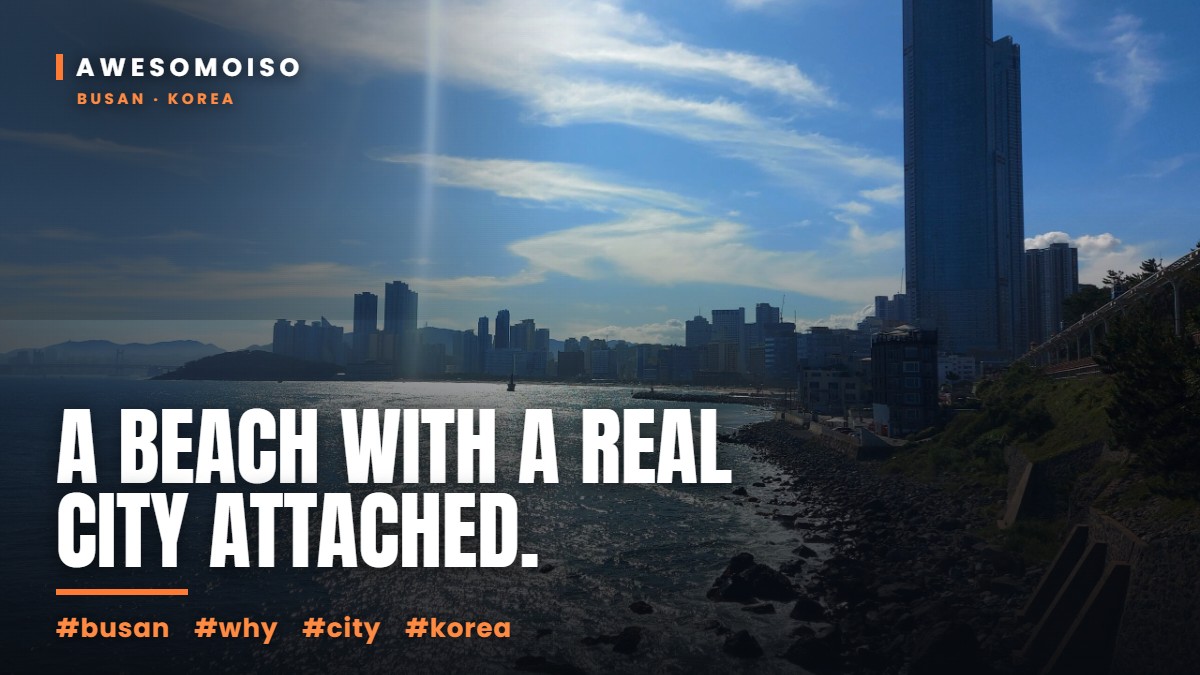
Most people outside Korea know one thing about Busan: a zombie film was named after it. Here is the rest — a beach with a real city attached, and food shaped by everyone who once ran there.
AWESOMOISO
Most people outside Korea know one thing about Busan: a zombie film was named after it. Here is the rest — a beach with a real city attached, and food shaped by everyone who once ran there.
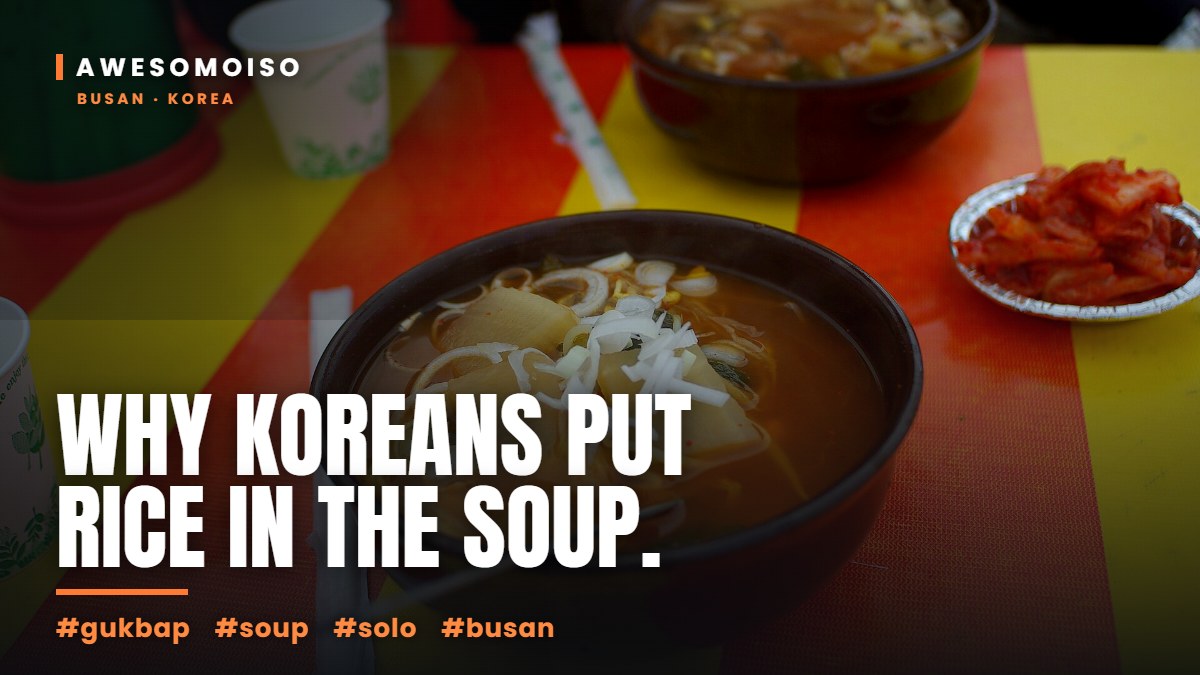
Rice in soup sounds like a mistake if you did not grow up with it. In Korea it is a 200-year-old format with dozens of versions. How it works, why it exists, and which one to order first.
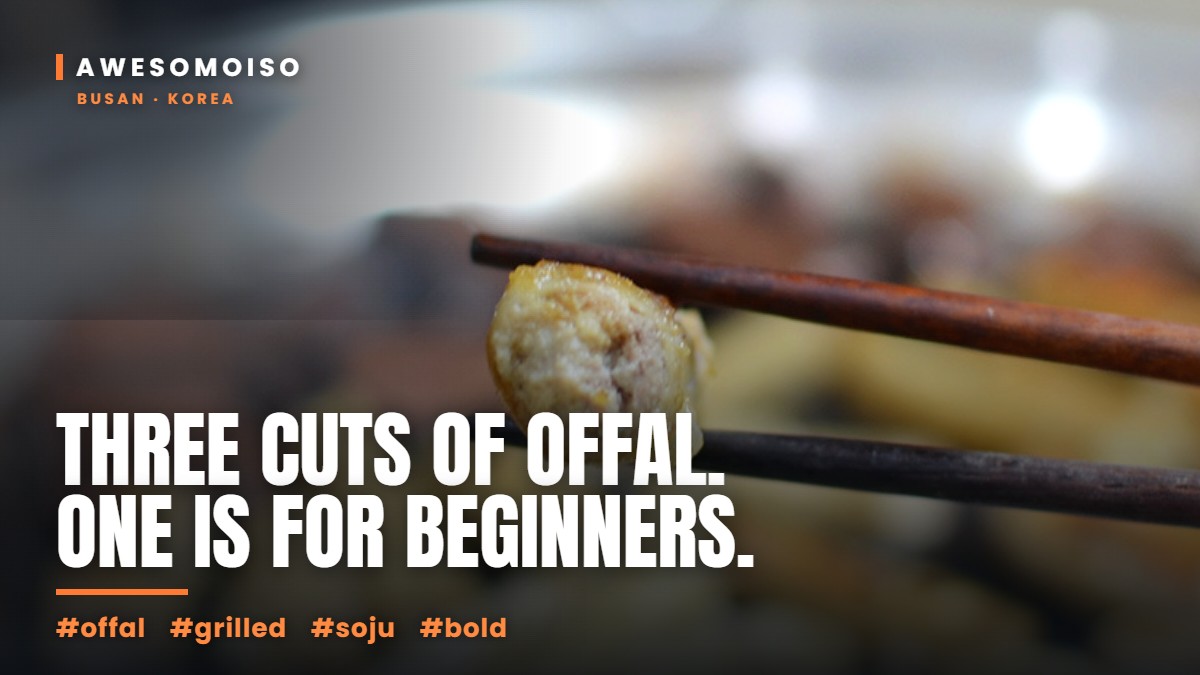
Yang-gopchang, makchang and gopchang jeongol — grilled, grilled, boiled. What each one actually is, why the seasoning is a preference and not a region, and the one thing that separates a good shop from a bad one.
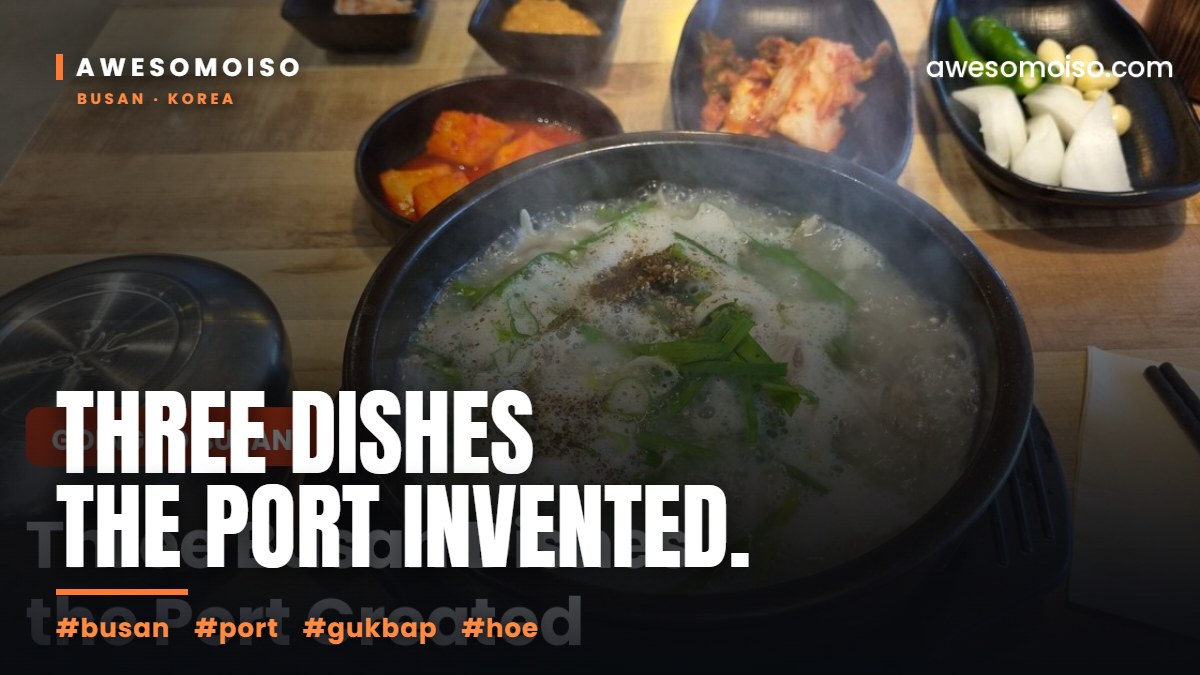
Dwaeji gukbap, hoe and gomjangeo exist because Busan was a port. What each one tastes like, what changes shop to shop, and what you will actually pay — including the charges nobody tells you about.
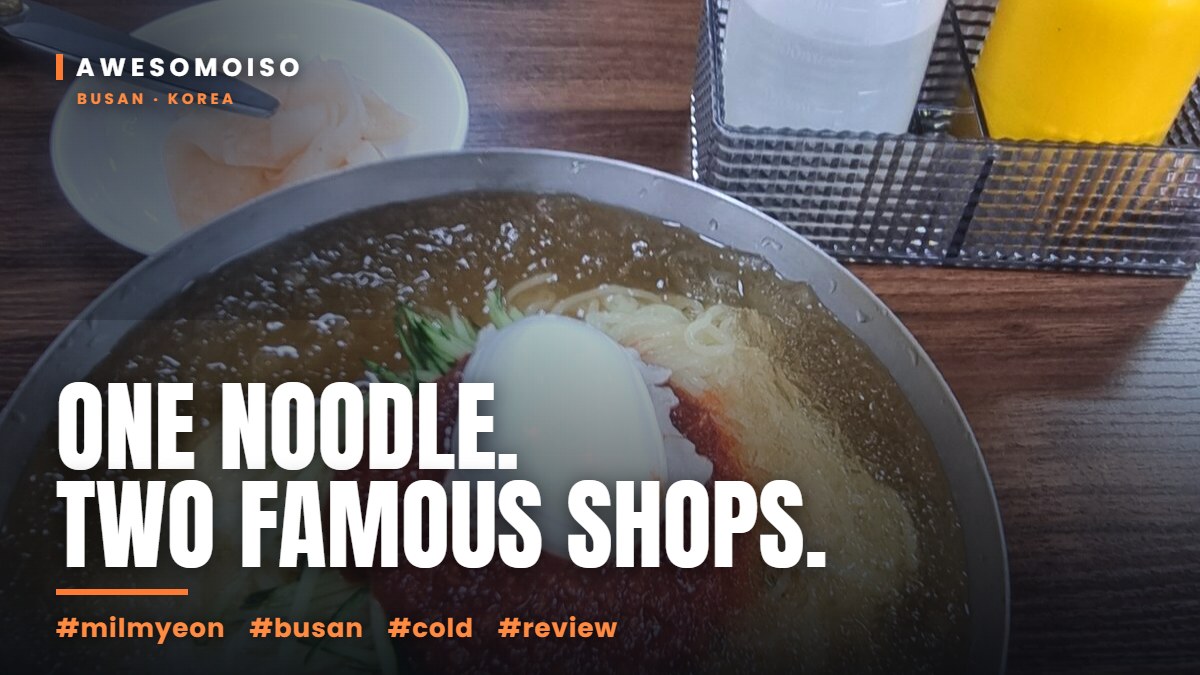
Milmyeon (밀면) is Busan’s own cold noodle dish, and most visitors have never heard of it. It exists because of the Korean War — I’ll explain.
Where: 7-Eleven, Korea Price: ₩2,700 (about $2.00) Size: 107 g / 345 kcal Type: ⭐ Air-dried noodle, not fried
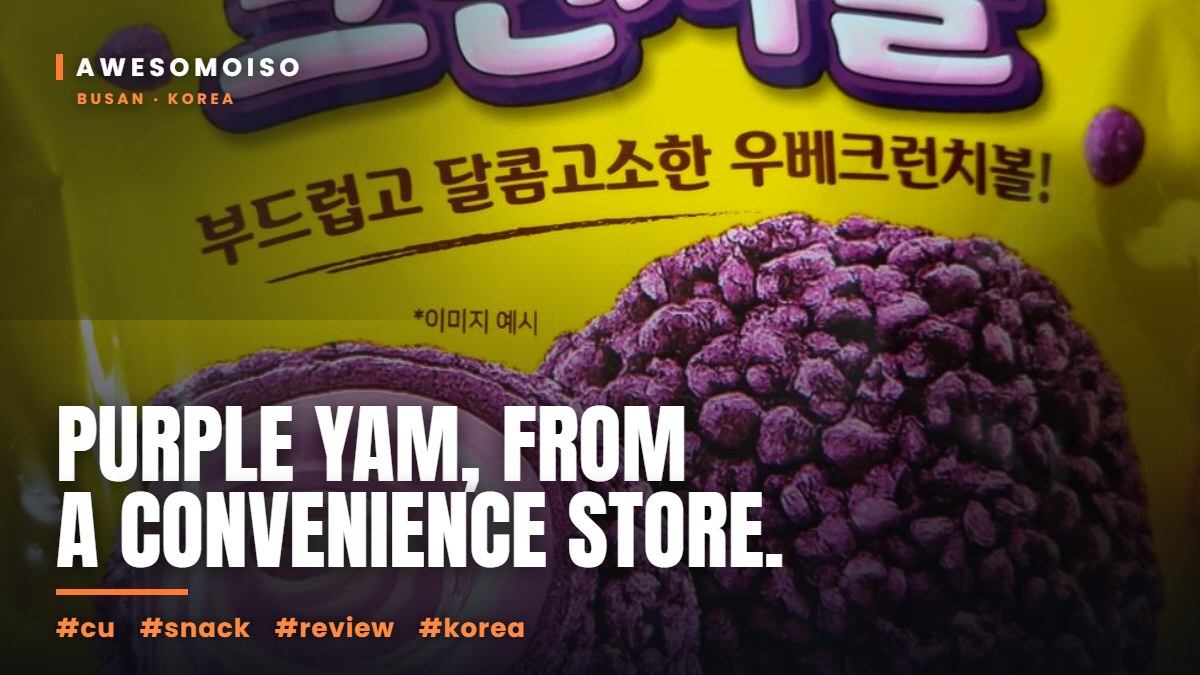
₩3,600 (about $2.70) at CU. Six chocolate-coated crunch balls, sold on the strength of one word: ube.
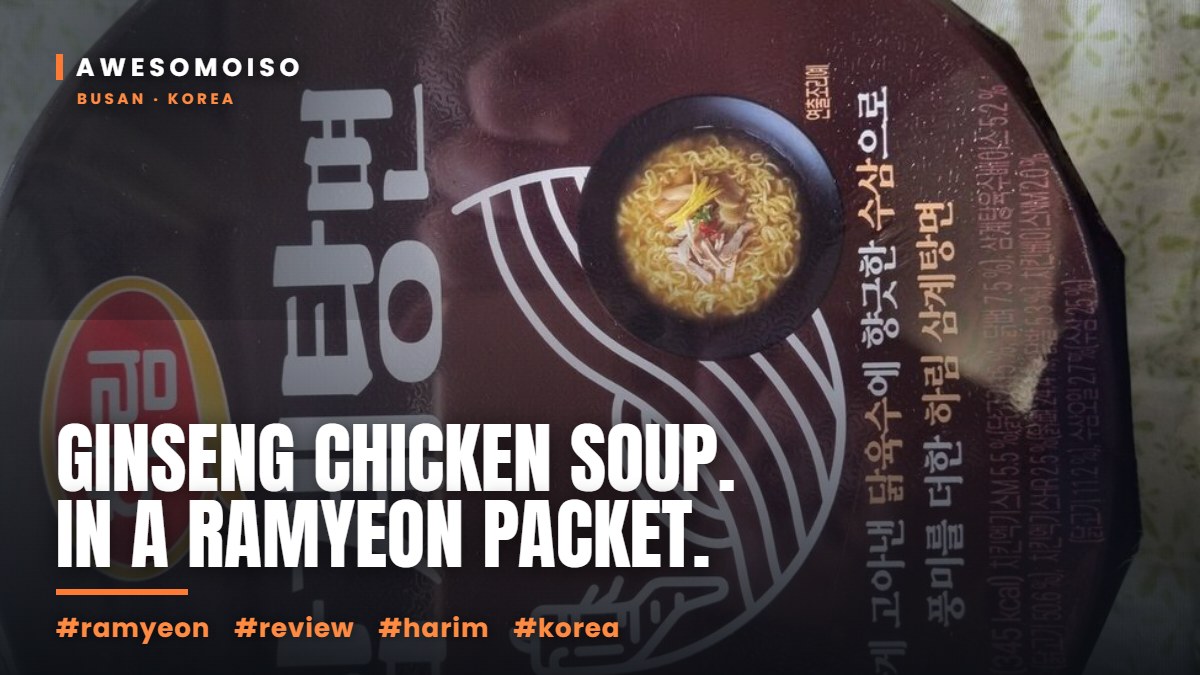
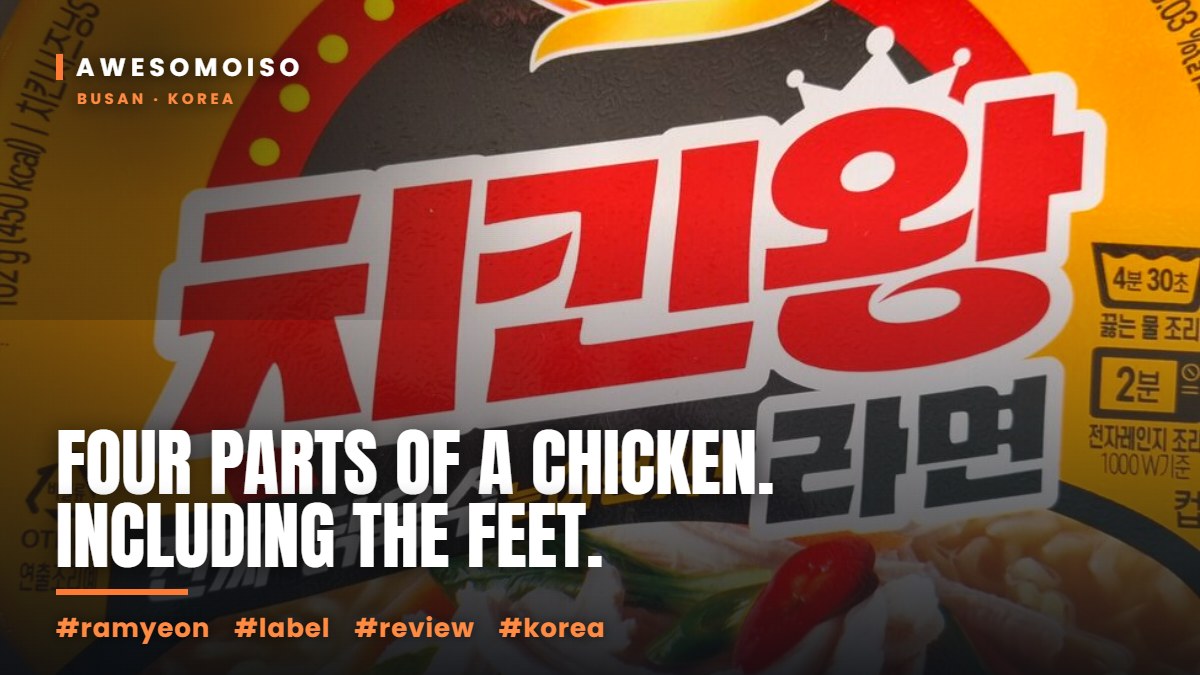
₩1,800 (about $1.30) at GS25. A chicken-broth cup noodle from Harim — Korea’s largest poultry company, making a ramyeon out of their own product.
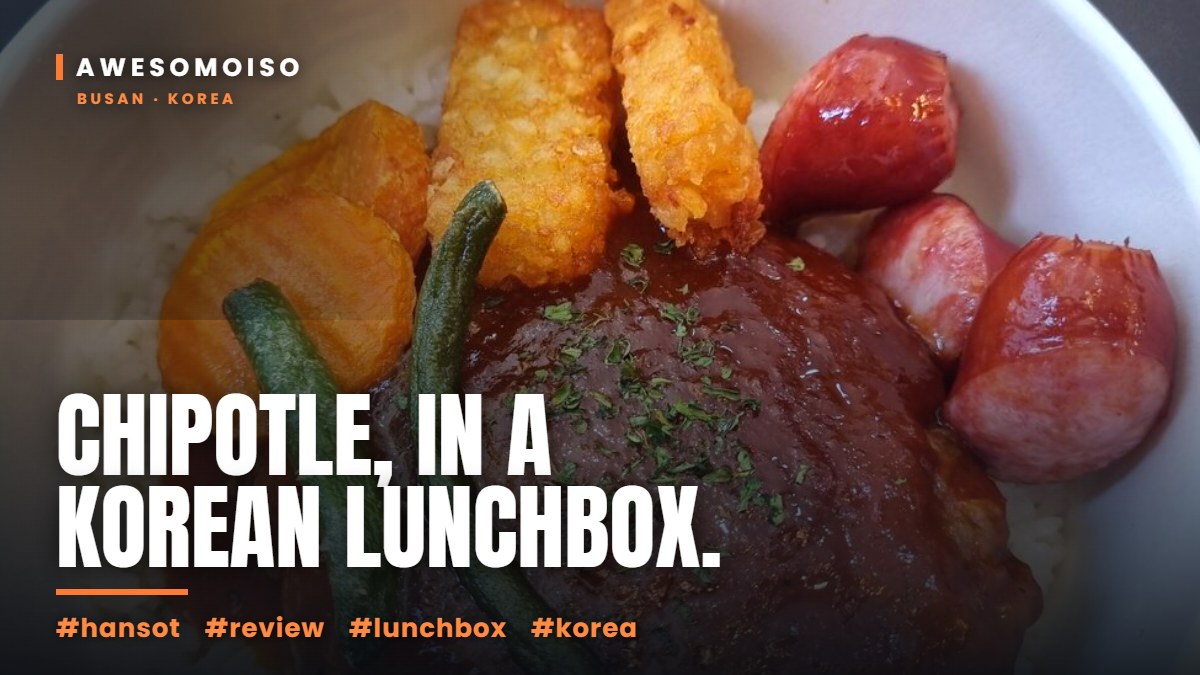
₩8,800 (about $6.30) for rice, a thick hamburg steak, sausages, hash browns and vegetables in one bowl. From Hansot (한솥) — Korea’s biggest takeout lunch-box chain.
Korean cup noodles are famous for one disappointment: the toppings are usually an afterthought. A few flakes of dried vegetable, maybe. This one is built to answer that.