Before You Go · Busan
Almost everything this city is famous for was invented by people who arrived with nothing.
Most Busan food guides hand you a list of ten dishes and call it a day. The problem with that list is that half of it isn’t Busan food. It’s Korean food, available in Seoul, available at the airport, available in the Korean restaurant near your house.
You have a limited number of meals here. Spending one of them on bibimbap is a waste, and nobody tells you that.
So this list is sorted by a single question: is this worth one of your Busan meals? Which comes down to where a dish is from, how cheap it is here, and how much trouble it would be to eat anywhere else.
All dollar figures use ₩1,340 = US$1, the rate in September 2026. Prices are rough guides, not quotes.
⭐ If you only have three meals
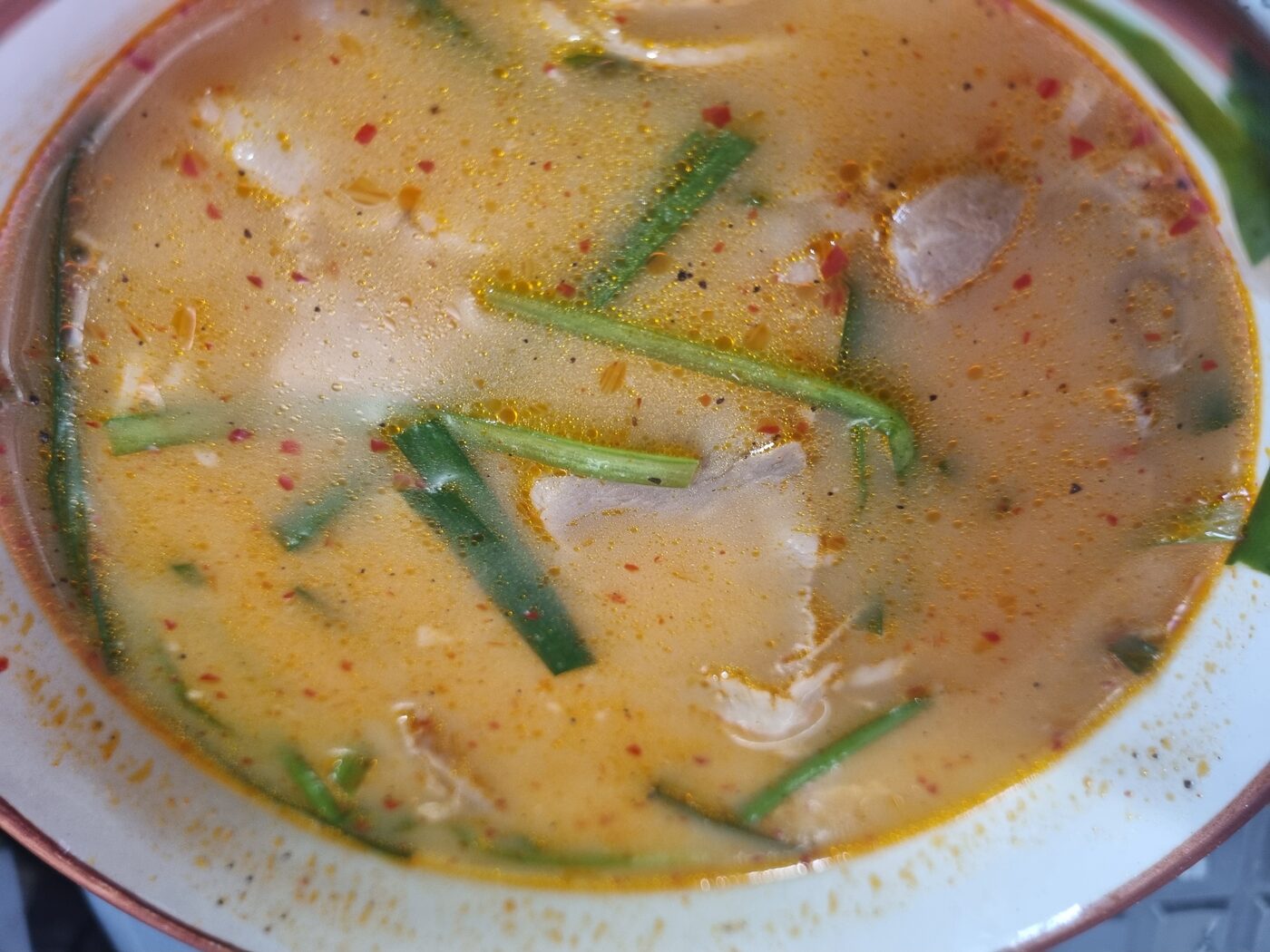
| 1 | Dwaeji gukbap — pork soup. The city’s dish, full stop. |
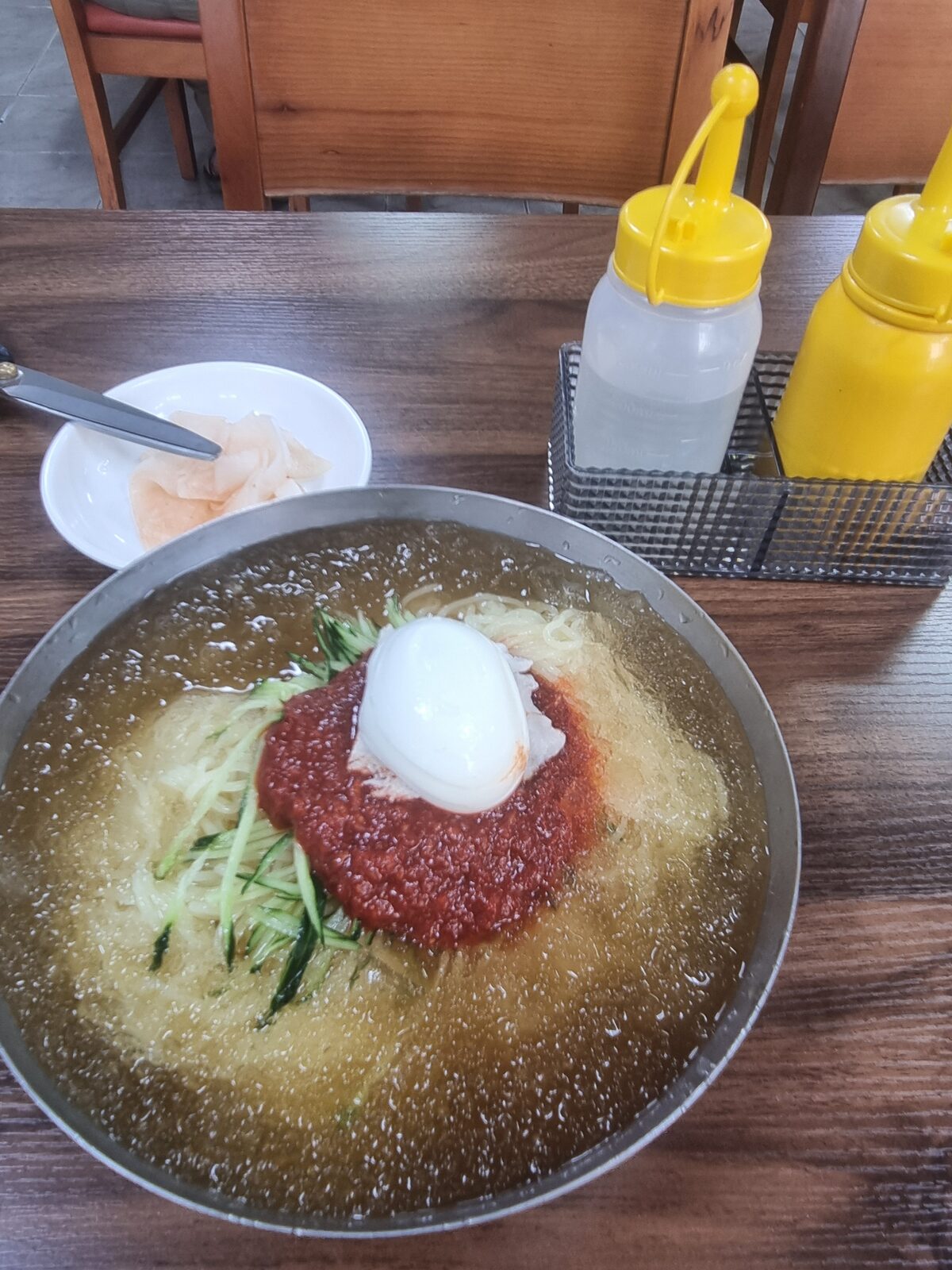
| 2 | Milmyeon — cold wheat noodles. Invented here. It has spread since — but I have not found it this cheap anywhere else. |
| 3 | Eomuk — fish cake from a street cart. Costs a dollar. Do it on day one. |
Everything below is a bonus.
Why they’re all war food
Here is the thing that makes Busan different from every other Korean food city, and it took me a while to see it even living here.
When Seoul fell in 1950, the government moved to Busan and so did everyone who could get there. For 1,023 days this was the capital of South Korea, its population multiplied by refugees who had arrived with what they could carry.
They needed to eat. They had a working port, almost no money, and ingredients nobody else wanted.
Dwaeji gukbap. Milmyeon. Bibim dangmyeon. Kkomjangeo. Eomuk. Every one of them was either invented in that decade or turned into the city’s everyday food by it. The signature cuisine of this city is refugee cooking
⚠️ Two of them are older than the war, and I would rather say so. Fish cake was already being sold in Bupyeong Market by 1915, and Miryang dates its pork soup to a market stall in 1938. What the 1950s did was make them the food of a whole city at once — cheap, fast, and built from whatever the port could supply.
Seoul food is court food that trickled down. Busan food is survival food that worked its way up. You can taste the difference — it’s blunter, cheaper, and it doesn’t apologise.
🥇 Busan’s own — spend your meals here
⚠️ An honest caveat before the list. Plenty of guides say these dishes exist “only in Busan.” Almost none of that is literally true, and you will work it out yourself the moment you see milmyeon on a menu in Seoul. Milmyeon has 78+ restaurants in Seoul and sells frozen in Korean groceries abroad. Dwaeji gukbap is the everyday food of the whole southeast — Miryang claims its own 1938 origin — and it has reached Seoul too. Eomuk is eaten in every Korean city. What this list really means is: this is where each dish started, where it is cheapest, and where it is so ordinary that you will walk past three of them without trying. That is a better reason to spend a meal on it than a false one.
1. Dwaeji gukbap · 돼지국밥 — pork and rice soup
| Spice | 0/5 as served. You add it yourself. |
| Adventure | 2/5 |
| Price | ₩10,000 standard, plenty of places still ₩9,000 (US$6.70–7.50) |
Pork bones simmered for hours into a milky broth, sliced pork, a bowl of rice, and a tray of things to add yourself — salted shrimp, chives in chilli, fermented shrimp paste. You season it at the table. That’s not optional garnish; the soup arrives deliberately under-seasoned.
Why it’s Busan: southerners largely avoided pork in summer for fear of spoilage. Refugees from the North, where pork was everyday food, had no such hesitation — and used the cheap cuts nobody was buying.
⚠️ To be accurate: this is not Busan’s alone. Dwaeji gukbap is the everyday soup of the whole southeast — Busan, Miryang, Gimhae, Ulsan, Daegu — and Miryang dates its own version to a market stall in 1938. It has spread to Seoul as well, though it is still a minor dish there. Busan is where the density is: hundreds of shops, several running continuously since the 1950s.
⚠️ Not the same as sundae gukbap, which uses blood sausage, head meat and offal. Dwaeji gukbap is plain sliced pork. If you’re nervous, this is the one to order.
→ Full guide: Dwaeji Gukbap — The Bowl Busan Actually Eats, and Why It Arrives Under-Seasoned (Part 2)
2. Milmyeon · 밀면 — cold wheat noodles
| Spice | 0/5 cold broth · 3/5 spicy version |
| Adventure | 1/5 |
| Price | ₩7,000–9,000 (US$5.20–6.70) — varies by neighbourhood |
⭐ The spread here is the useful part. In my own neighbourhood alone the same bowl runs anywhere from ₩7,000 to ₩9,000. ₩7,000 is a genuinely good price — if you see it, you’ve found a decent shop. ₩9,000 isn’t a rip-off either; it’s just the tourist-adjacent end.
Northern refugees wanted naengmyeon — the cold buckwheat noodle of their home region. There was no buckwheat. There was American relief wheat flour. So they made it with that instead, and it turned into its own thing: springier, softer, slightly sweeter.
Order mul-milmyeon for the icy broth version, bibim-milmyeon for the spicy mixed one.
Why it’s Busan: it was invented here, by necessity, and it never spread. Order naengmyeon in Busan and you’ll get a decent bowl. Order milmyeon in Seoul and you’ll get a puzzled look.
→ Full guide: Milmyeon — The Cold Noodle Busan Invented When the Buckwheat Ran Out (Part 3)
3. Eomuk · 어묵 — fish cake
| Spice | 0/5 |
| Adventure | 1/5 |
| Price | ₩1,000–2,000 plain · around ₩3,000 for the flavoured ones (US$0.75–2.25) |
Pollock ground to paste, shaped, fried, and stood up on skewers in broth at every second street corner. The broth is free and you ladle it yourself into a paper cup.
Prices have drifted up as shops moved into flavoured versions — cheese, spicy, curry, whatever — and those land around ₩3,000. The plain skewer at a street cart is still the cheap one.
⭐ And order the croquette. At the fish cake shops rather than the street carts, they fry a breaded croquette version. It’s the single best thing in the category and most visitors walk straight past it.
→ Full guide: Eomuk — Busan’s Fish Cake, and the Word Everyone Still Gets Wrong (Part 1) — history, how to order, the allergen list, and where the 1953 company sells it today.
4. Bibim dangmyeon · 비빔당면 — mixed glass noodles
| Spice | 2/5 |
| Adventure | 1/5 |
| Price | around ₩6,000 (US$4.50) — it has climbed a lot |
Sweet potato glass noodles, cold, tossed with a sweet-savoury sauce and a few toppings, eaten standing at a market stall. Korean press has called it Busan’s original fast food, and that’s about right — it was built for people with five minutes and small change.
⚠️ The “small change” part is no longer quite true. This used to be the cheapest sit-down-less meal in the city and the price has risen sharply. It’s still worth it for what it is and where it is, but don’t come expecting a bargain.
Where: Gukje Market and the Kkangtong Market alleys around it — that really is about the whole of it. Unlike everything else on this list, I could find no evidence of it being sold outside Busan, and it only became a tourist item at all after a TV show put it on air.
⚠️ In fairness, plenty of Busan locals don’t rate it. It is cheap starch in sauce, and you will find people here who think spending money on it is a waste. I include it because it is genuinely local, not because it is the best thing you will eat.
→ Full guide: Bibim Dangmyeon — Busan’s Original Fast Food (Part 4)
5. Ssiat hotteok · 씨앗호떡 — seed-stuffed pancake
| Spice | 0/5 |
| Adventure | 0/5 |
| Price | ₩2,000–3,000 each (US$1.50–2.25) |
Hotteok — a fried sweet pancake with molten brown sugar inside — exists all over Korea. The Busan version gets slit open after frying and packed with sunflower, pumpkin and sesame seeds. ⚠️ Franchise bakeries now sell a “Nampo-dong seed hotteok” nationwide, and one steamed-bun maker has a version too — but a factory one is a different object from a paper cup of it, split and dripping, in the street where it was invented.
It sounds like a small change. It is not. The seeds cut the sugar and add a toasted crunch, and it turns a decent street snack into the thing people queue for at BIFF Square.
⚠️ Molten sugar. It will be hotter than you expect for longer than you expect. Wait.
→ Full guide: Ssiat Hotteok — Why Busan Cuts It Open (Part 5)
⚠️ The famous one I’m not going to recommend
Kkomjangeo · 곰장어 — grilled hagfish
Every Busan guide puts this on the must-try list. It has the best backstory of anything in this city: hagfish was a leather material. The animal was processed for its hide and nobody ate the meat. During the war, refugees were hungry enough to find out what it tasted like, and it became a Busan thing.
Great story. Here is the arithmetic nobody includes.
| Price | ₩60,000–80,000 for a 2–3 person portion (US$45–60) |
| Per person | roughly ₩25,000–30,000 (US$19–22) |
| Adventure | 5/5 |
| Divisive? | Yes. Plenty of Koreans don’t like it either. |
So: it is one of the most expensive meals on this page, it is genuinely polarising, and you have to commit to a shared portion before you know whether you can eat it.
Spend ₩70,000 on a dish you might not finish, or spend it on seven bowls of dwaeji gukbap you will definitely finish. That’s the actual choice
If you live here, or it’s your third trip, or you already know you like chewy seafood — go. It’s a real Busan experience and I’m not telling you it’s bad.
If you have four days and a budget, this is a bad bet. Not because it’s weird. Because it’s expensive and weird, and those two together are what makes a meal a risk rather than an adventure.
→ Full guide: Kkomjangeo — The Leather Fish, and Whether You Should (Part 6)
🥈 Port food — worth a meal if you have one spare
6. Raw fish at Jagalchi · 자갈치
Korea’s largest seafood market. You pick the fish downstairs, they prepare it, you eat it upstairs. It is an experience as much as a meal.
⚠️ Agree the price before anything is killed. Ask for the total including the upstairs table charge. This is the one place in Busan where a visitor can reliably overpay.
→ Full guide: Jagalchi Market — How to Buy Fish Without Getting Fleeced (Part 7)
7. Grilled shellfish · 조개구이
A burner on your table, a tray of clams and scallops, and a long evening. Best near the water at Gwangalli with the bridge lit up.
Shared, alcoholic, slow. Not a lunch.
→ Full guide: Grilled Shellfish at Gwangalli (Part 8)
⭐ If You’re Vegan, Vegetarian or Avoid Pork — Read This First
Busan’s signature dishes are built on meat and fish broth. That isn’t a flaw in the city, it’s what the war-era food was made of. Here is the honest rundown before you plan meals around this list.
| Dish | Vegan | Vegetarian | Pescatarian | Halal |
|---|---|---|---|---|
| Dwaeji gukbap | ❌ | ❌ | ❌ | ❌ pork |
| Milmyeon | ❌ | ❌ | ❌ | ⚠️ broth varies |
| Eomuk | ❌ | ❌ | ✅ yes | ⚠️ not certified |
| Ssiat hotteok (seed pancake) | ⚠️ usually | ✅ likely | ✅ | ⚠️ check the oil |
⭐ The practical summary: pescatarians do well in Busan — eomuk, raw fish and seafood are everywhere. Vegans and vegetarians will struggle with the signature dishes specifically, because the broth is the dish. Street snacks and temple food are the better route.
⚠️ Korean restaurants rarely label allergens or provide ingredient lists, and broth recipes differ shop to shop. Where I could not confirm something, I’ve said so rather than guessed.
⚠️ What not to spend a Busan meal on
These are all good. None of them are Busan.
| Dish | Why skip it here |
|---|---|
| Bibimbap | Nationwide. Jeonju does it better. |
| Bulgogi | Nationwide, and available in your own city. |
| Korean fried chicken | Nationwide. Have it on a night you’re tired. |
| Samgyeopsal | Nationwide. Excellent everywhere. |
| Tteokbokki | Nationwide. Eat it as a snack, not a meal. |
None of this means don’t eat them. It means don’t plan around them. If you have four days here, you have maybe ten real meals, and six of them should be things this city invented, does best, or does cheapest.
Spice, honestly
| Level | Dish |
|---|---|
| 0/5 | Eomuk · ssiat hotteok · mul-milmyeon · raw fish |
| 0–1/5 | Dwaeji gukbap (you control it) |
| 2/5 | Bibim dangmyeon |
| 3/5 | Bibim-milmyeon · spicy kkomjangeo |
You can eat extremely well in Busan without eating anything spicy. The city’s two signature dishes are a mild soup and a cold noodle.
⭐ Practical, not food: Ordering food delivery in Korea as a foreigner — what changed in 2026, and how to get it to a hotel room.
The series
Each dish gets its own article — what’s in it, what it costs, how to eat it, and what to check if you avoid certain ingredients.
| Dish | Status | |
|---|---|---|
| 1 | Eomuk — fish cake | ✅ live |
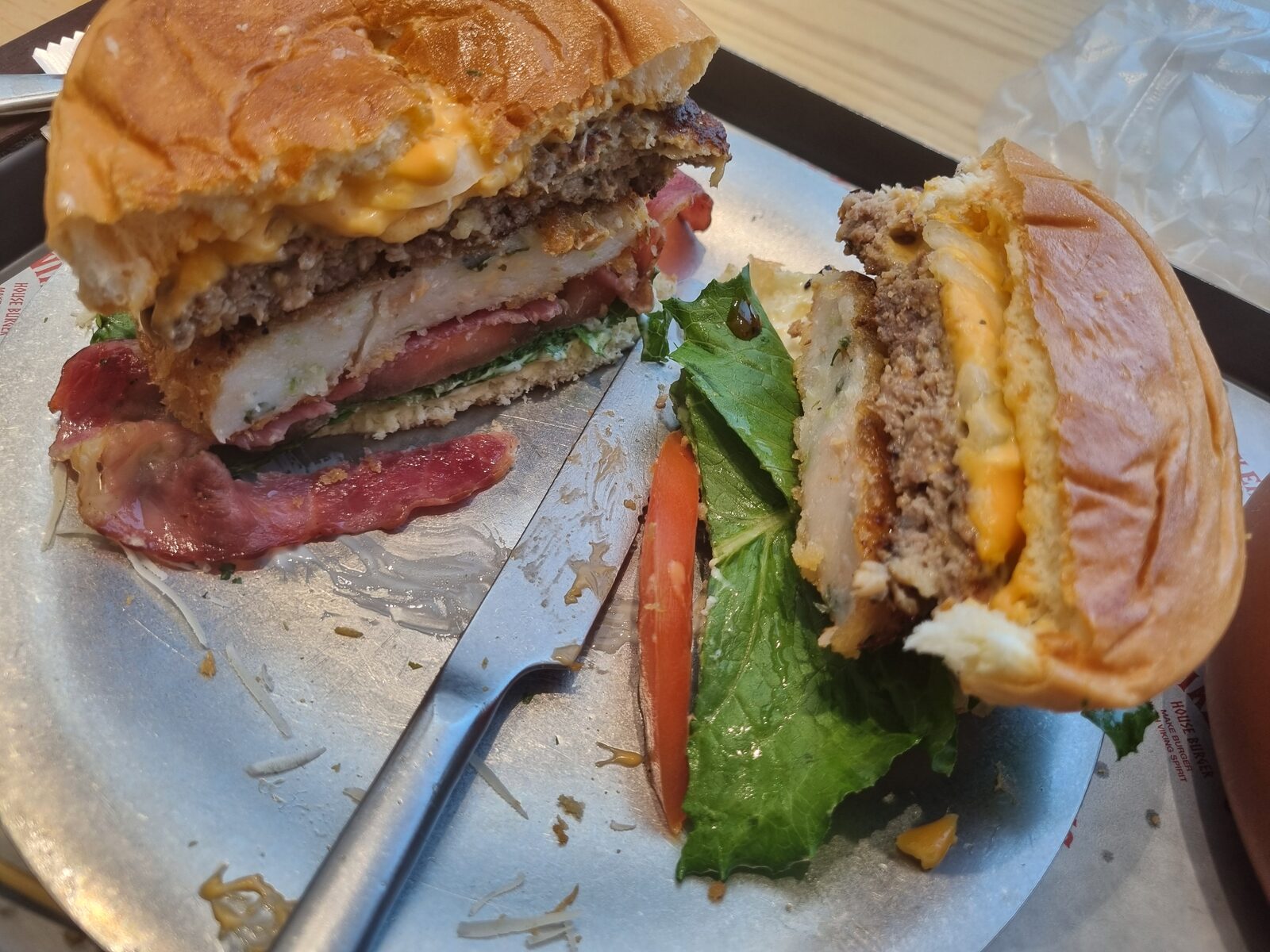
| 1.5 | The fish cake burger — what the 1953 company does with it now | ✅ live |
| 2 | Dwaeji gukbap — pork soup | ✅ live |
| 3 | Milmyeon — cold wheat noodles | ✅ live |
| 4 | Bibim dangmyeon — glass noodles | coming |
| 5 | Ssiat hotteok — seed pancake | coming |
| 6 | Kkomjangeo — hagfish | coming |
| 7 | Jagalchi Market | coming |
| 8 | Grilled shellfish | coming |
Part 1.5 is a restaurant review rather than a dish explainer — it’s where the fish cake story lands in 2026, so it sits between the two.
Each one covers the same ground: what’s actually in it, what it costs right now in Busan, how to order it, and what to check if you avoid pork, shellfish, gluten or anything else. This page is the map. The parts are the territory.
Not sure what to order?
Tell us what you can and cannot eat. We will match you to Korean dishes that actually fit.
Vegan, no pork, shellfish allergy, eating alone, hate chilli — 75 dishes, filtered honestly. We tell you when the answer is “almost nothing”.
Find my dish →