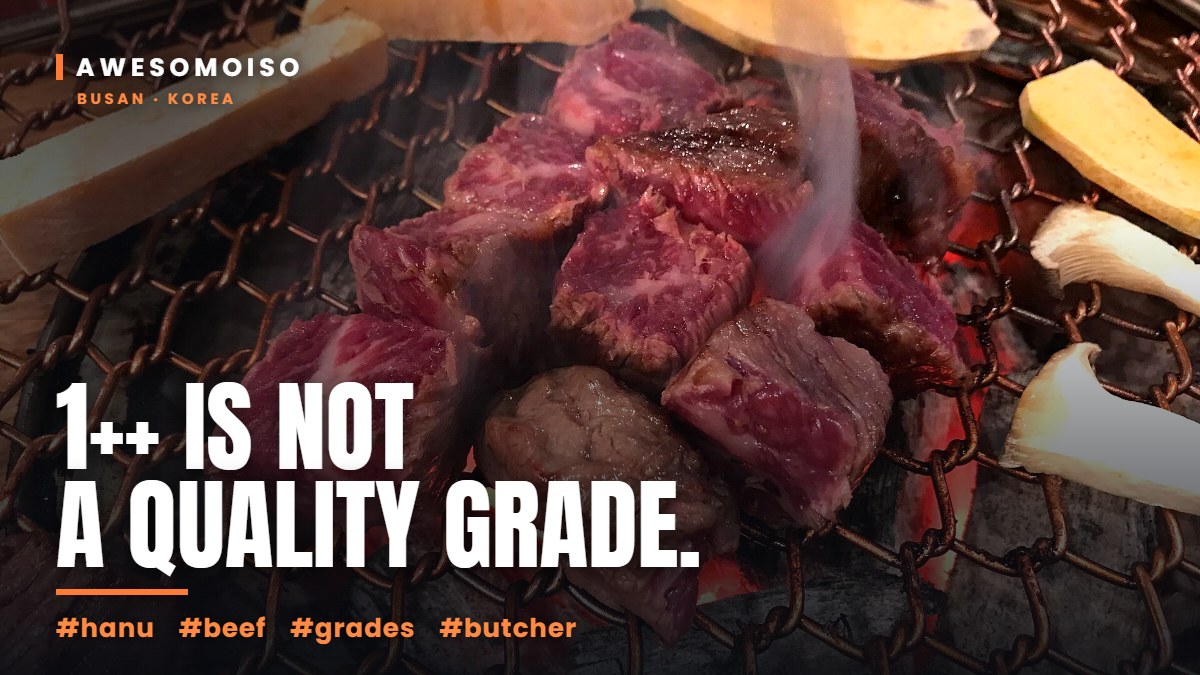
Walk into a Korean beef restaurant and the menu is not a list of dishes. It is a list of cuts — eight or ten of them, each with its own price, and no explanation of what any of them taste like.
Korean butchery divides a cow far more finely than Western butchery does, and the grading system attached to it has a vocabulary of its own. This page covers both: what the cuts are, what they taste like, how the grades work, and roughly what separates a cheap cut from an expensive one.
First: hanu is a breed, not a grade
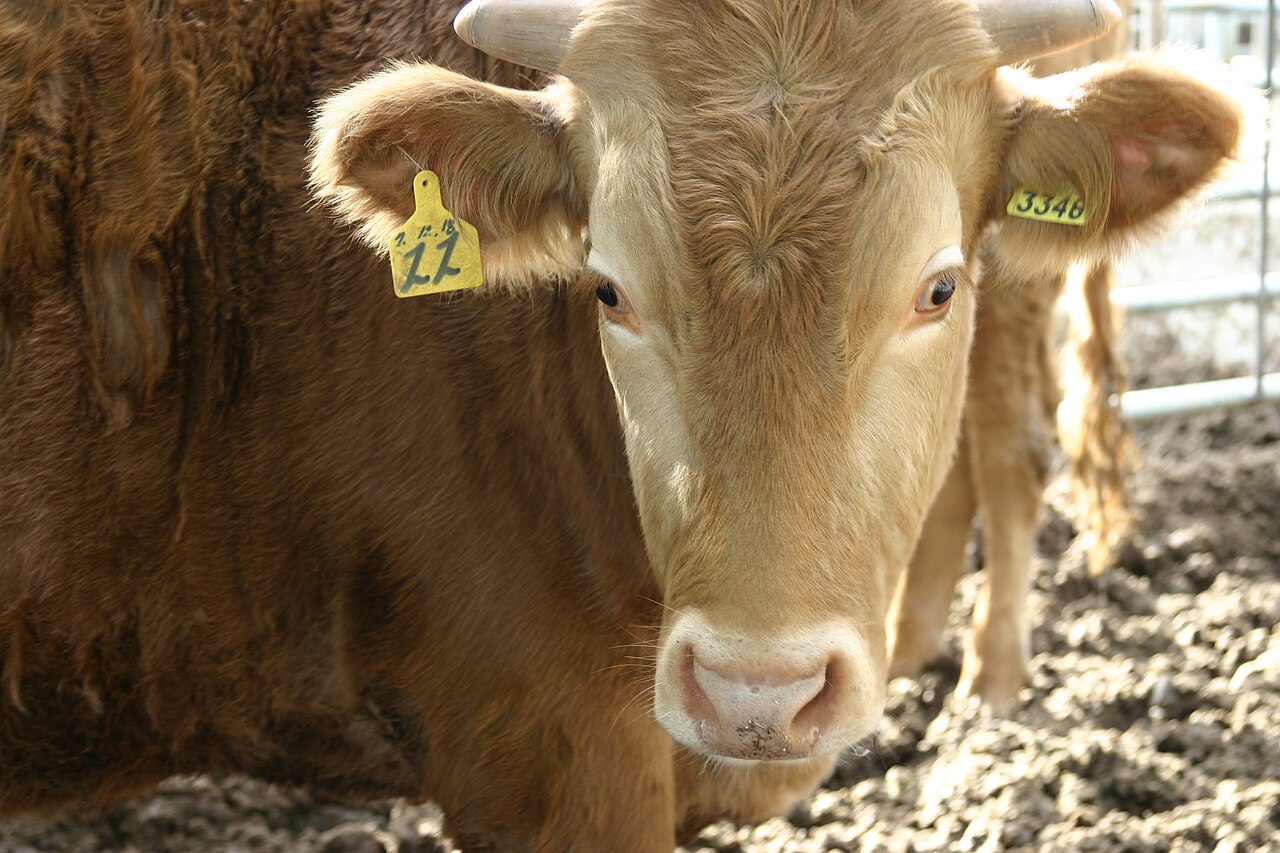
Hanu (한우) is Korea’s native cattle breed, and the word on the sign means the animal was that breed, raised here. It is not a quality grade and it is not a guarantee — a low-graded hanu exists, and good imported beef exists. What it does mean reliably is a higher price.
Restaurants are required to post the country of origin, so you can check. How to read the origin notice →
The grade: what 1++ and “two-plus” mean
Korean beef carries two grades at once, and only one of them matters to you as a diner.
- Meat quality grade: 1++, 1+, 1, 2, 3. This is the one on menus and price tags.
- Yield grade: A, B, C — how much meat the carcass gave. This matters to the trade, not to your plate.
So a tag reading 1++A means top quality grade, top yield grade. Koreans call 1++ “tu-ppul” (투뿔) — literally “two horns”, slang for the two plus signs. If you hear someone say they are eating tu-ppul, that is what they mean.
What the grade is actually measuring
Mostly marbling — the intramuscular fat, scored on a scale called BMS, No. 1 to No. 9.
| Grade | Marbling (BMS) | In practice |
|---|---|---|
| 1++ tu-ppul | No. 7–9 | Heavily marbled, rich, expensive |
| 1+ | No. 6 | Well marbled, the common “good” order |
| 1 | No. 4–5 | Moderate. Most restaurant beef |
| 2 | No. 2–3 | Lean |
| 3 | No. 1 | Very lean, usually for stewing |
You will also see “No. 9” written on a menu as if it were a grade. It is not. It is the marbling number inside 1++ — the top of the top. Shops advertise it because 1++ covers three different marbling levels and No. 9 is the highest of them.
The rule changed in 2019, and it matters
Two things were revised, and both are worth knowing before you read an older guide:
- 1++ was widened. It used to require BMS No. 8–9; it now accepts No. 7–9. The stated aim was to let farmers shorten feeding periods and cut costs. A 1++ today is not identical to a 1++ from before 2019.
- Marbling stopped being the only measure. Meat colour, fat colour, texture and maturity are now assessed too, and the lowest-scoring item sets the final grade. A carcass with spectacular marbling and poor colour does not get 1++.
Sources disagree on the exact fat-percentage thresholds behind each BMS number, so we are not quoting them. The band structure above is consistent across sources.
More marbling is not the same as better eating, and Korean graders quietly agreed with that in 2019 when they stopped letting marbling score alone decide.
The cuts, and what they actually taste like
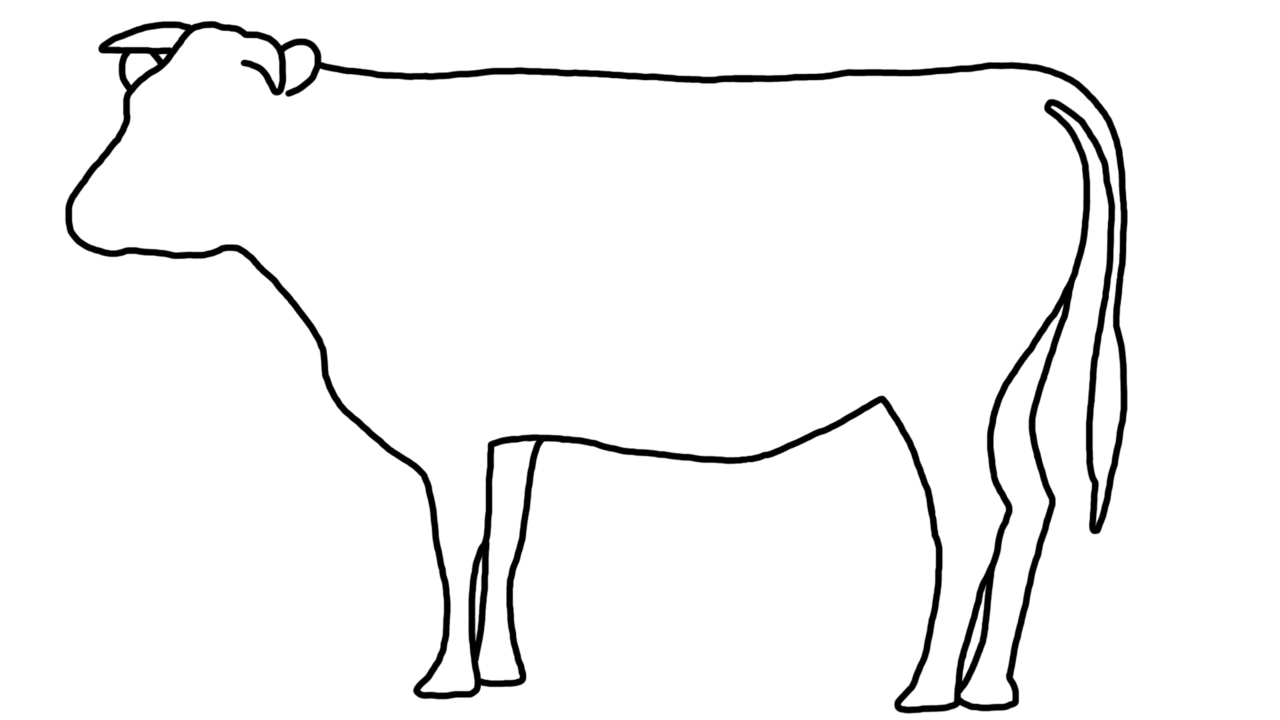
Korea divides a carcass into 10 primal cuts, subdivided into 39. You will never see all of them, but a grill restaurant menu usually draws on the same handful.
The grilling cuts
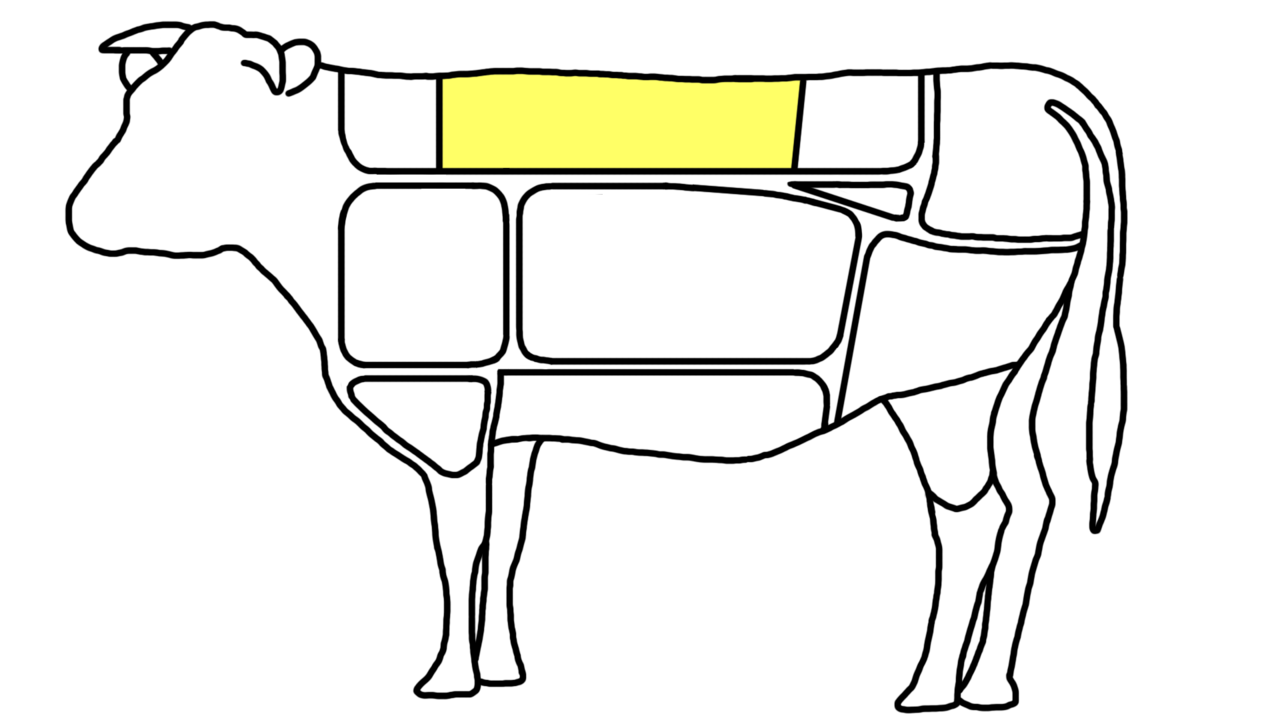
Deungsim · 등심 · deung-sim
Sirloin — the default premium grilling cut. Fine-grained, well marbled, rich. The middle section is sold separately as kkot-deungsim (꽃등심, “flower sirloin”), which is the most marbled part and the one people mean when they say sirloin is the best. The upper section has more connective tissue — chewier, but with more juice. If you order one thing and want to know why Koreans care about beef, order this.
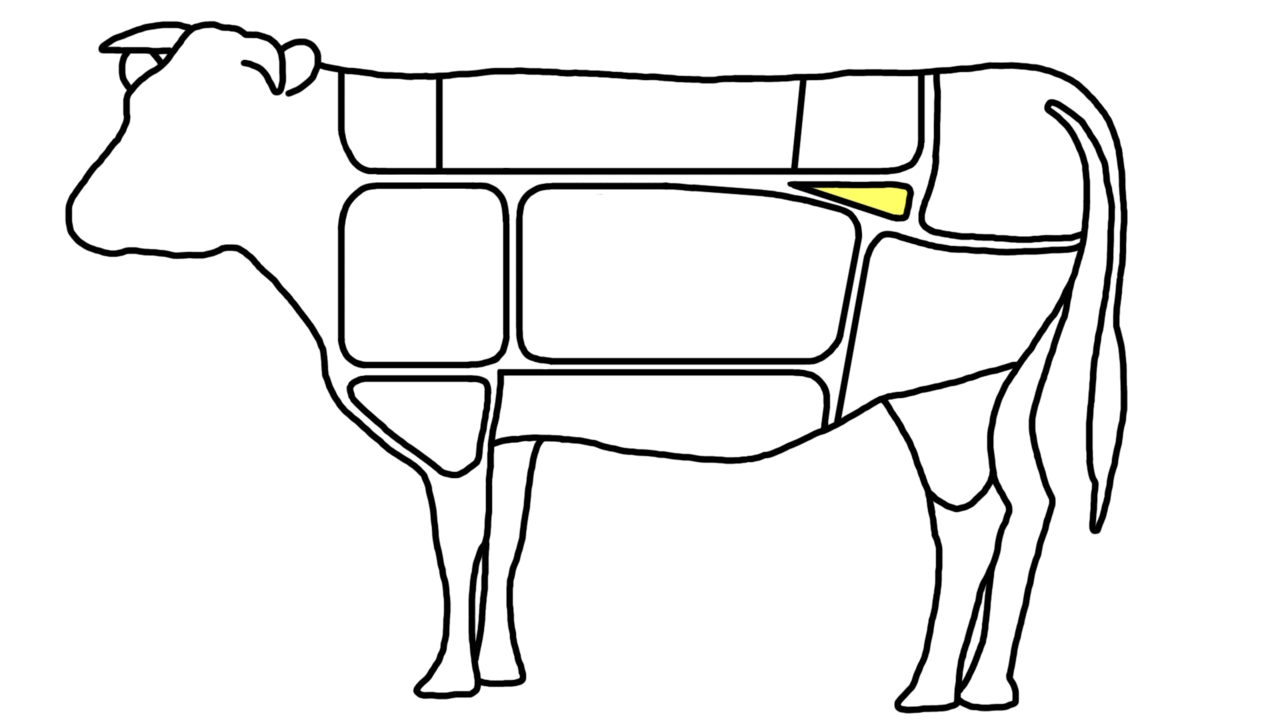
Ansim · 안심 · an-sim
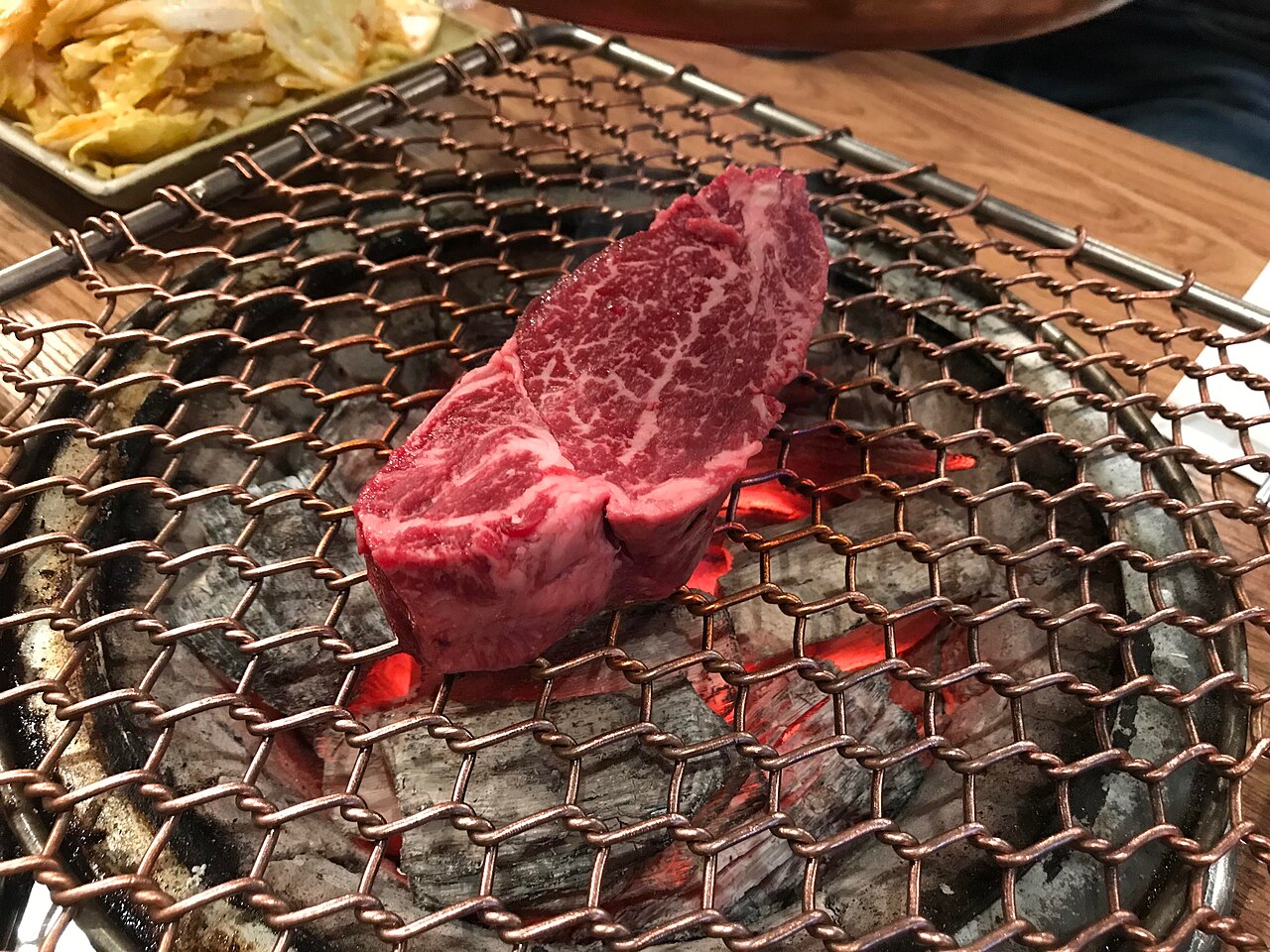
Tenderloin. The muscle does almost no work, so it is the most tender cut on the animal and the leanest of the premium ones. Here is the honest part: tenderness is not the same as flavour. Ansim is noticeably milder than sirloin, and plenty of Koreans find it a little plain for charcoal. It is the cut that behaves most like a Western steak — and the most expensive.
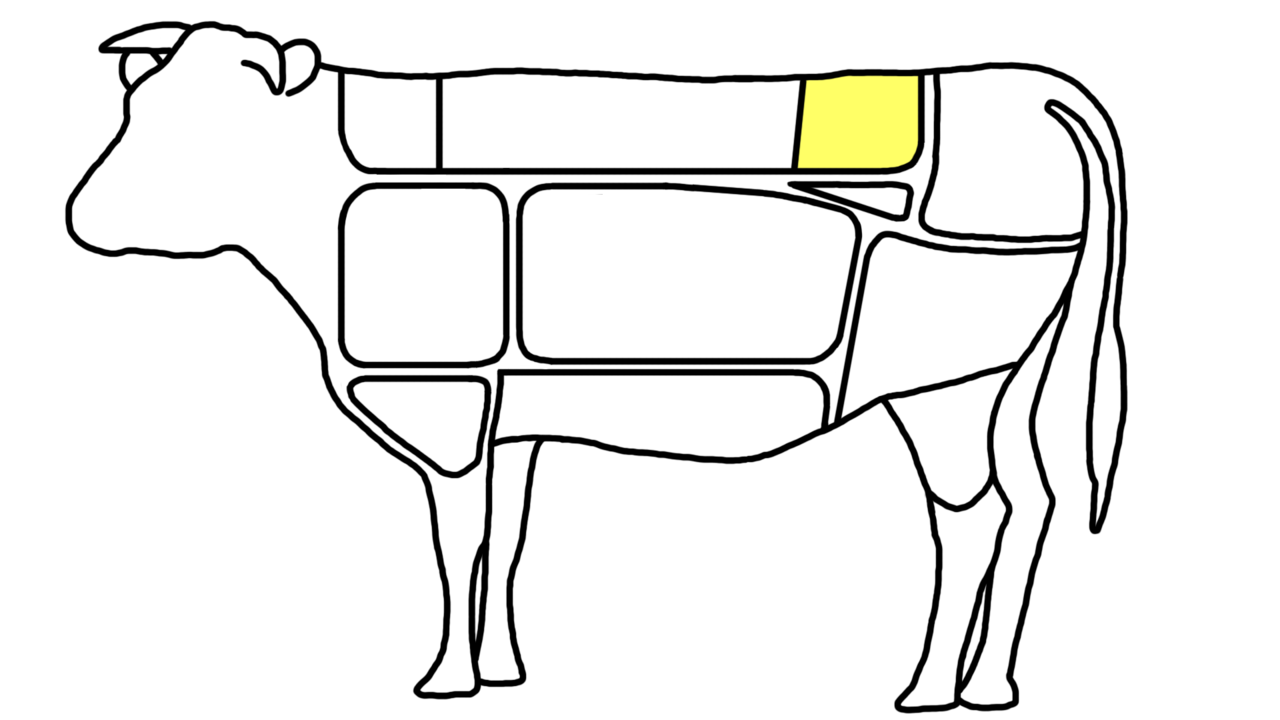
Chaekkeut · 채끝 · chae-kkeut
Striploin — runs from the end of the sirloin toward the rump. Leaner than sirloin, firmer bite, stronger beef flavour. It has chew without being tough, which is why people who find sirloin too soft and tenderloin too mild usually land here.
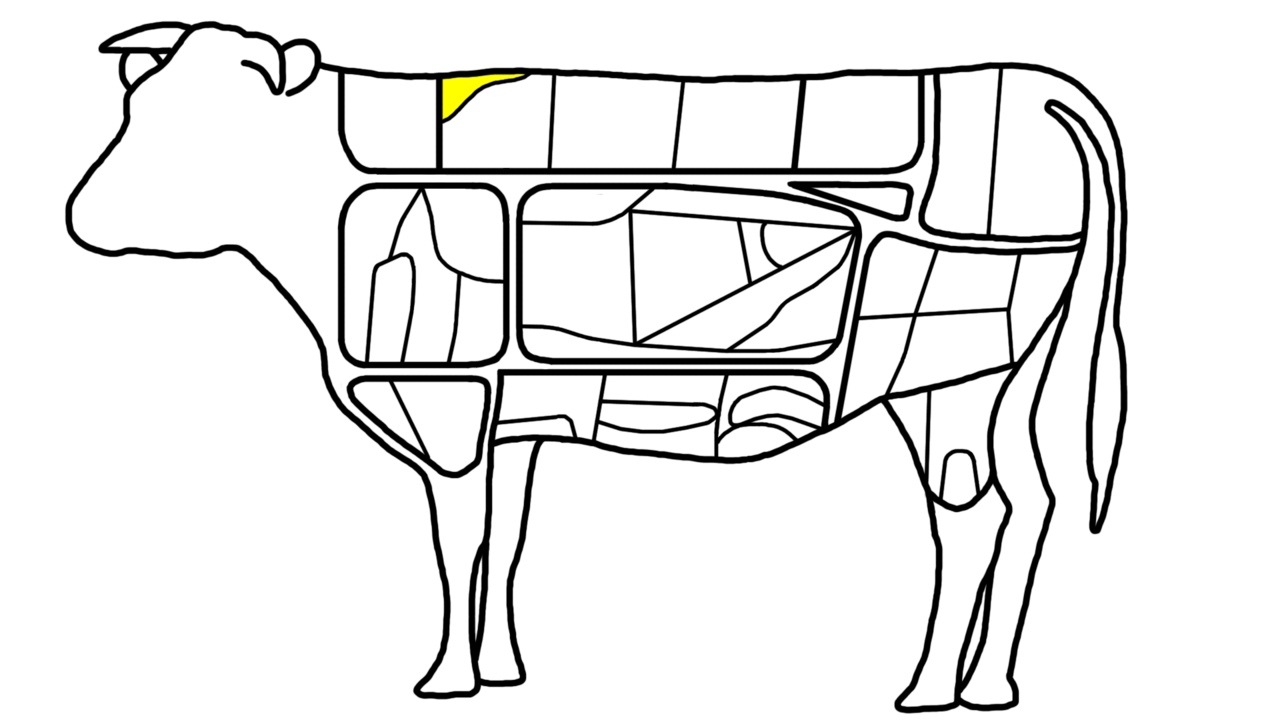
Salchisal · 살치살 · sal-chi-sal
Chuck flap, from the far end of the sirloin. Uneven marbling but a deep, concentrated beef aroma that sirloin does not have. Roughly five kilograms come off an entire animal, which is why it costs what it costs and why it sells out. If a restaurant has it, it is usually the connoisseur order.
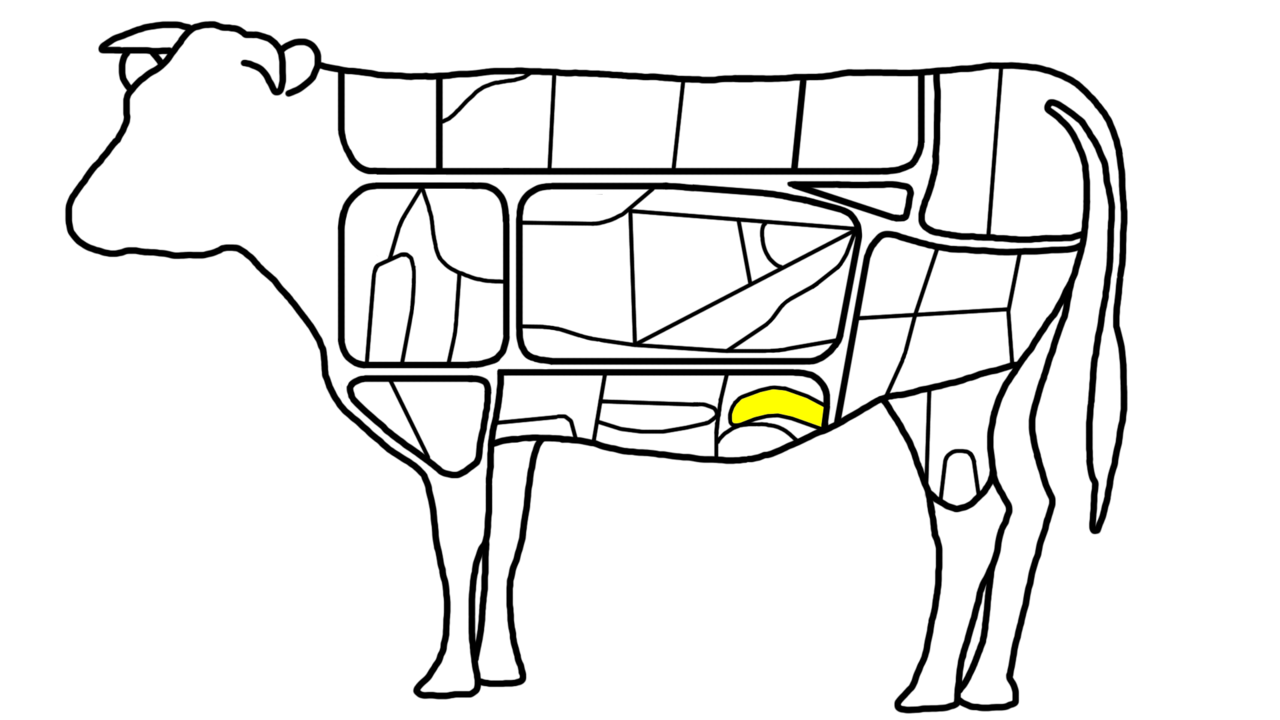
Chimasal · 치마살 · chi-ma-sal
Flank. Visibly coarse grain, very juicy, strong distinctive flavour. Usually eaten with salt or a light soy dip rather than a sweet marinade, because the marinade would bury it.
Two more that turn up constantly on grill menus:
- Buchaesal (부채살) — top blade. There is a line of sinew down the middle, which reads as tough until it is cooked through and turns gelatinous and springy. Score the sinew if you are grilling it yourself.
- Anchangsal (안창살) — the skirt, from inside the ribs. Chewy, with a texture and juiciness people seek out specifically. Small yield, high price.
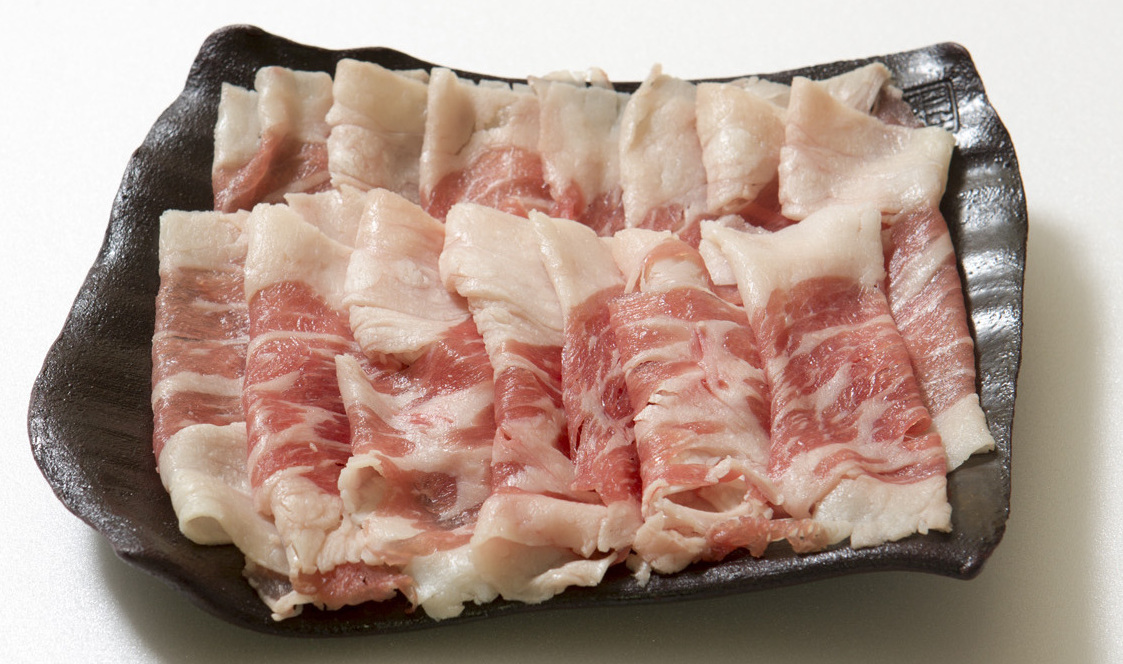
Chadolbagi (차돌박이) is brisket shaved almost transparent. It cooks in about five seconds a side — put it down, turn it, eat it. Leave it and it becomes a chip. Normally eaten dipped in a sesame-oil-and-salt dish.
The soup and stew cuts
These are the cuts behind the dishes in the beef dishes guide, and they are not lesser cuts — they are different jobs.
- Yangji (양지) — brisket. The broth cut: it is what gives seolleongtang and beef soups their body.
- Satae (사태) — shank. Tough with heavy connective tissue, which is the point: hours of simmering turn it silky. Used for braises and jjim.
- Galbi (갈비) — short rib. Grilled when marinated, simmered when it becomes galbitang.
The raw cut
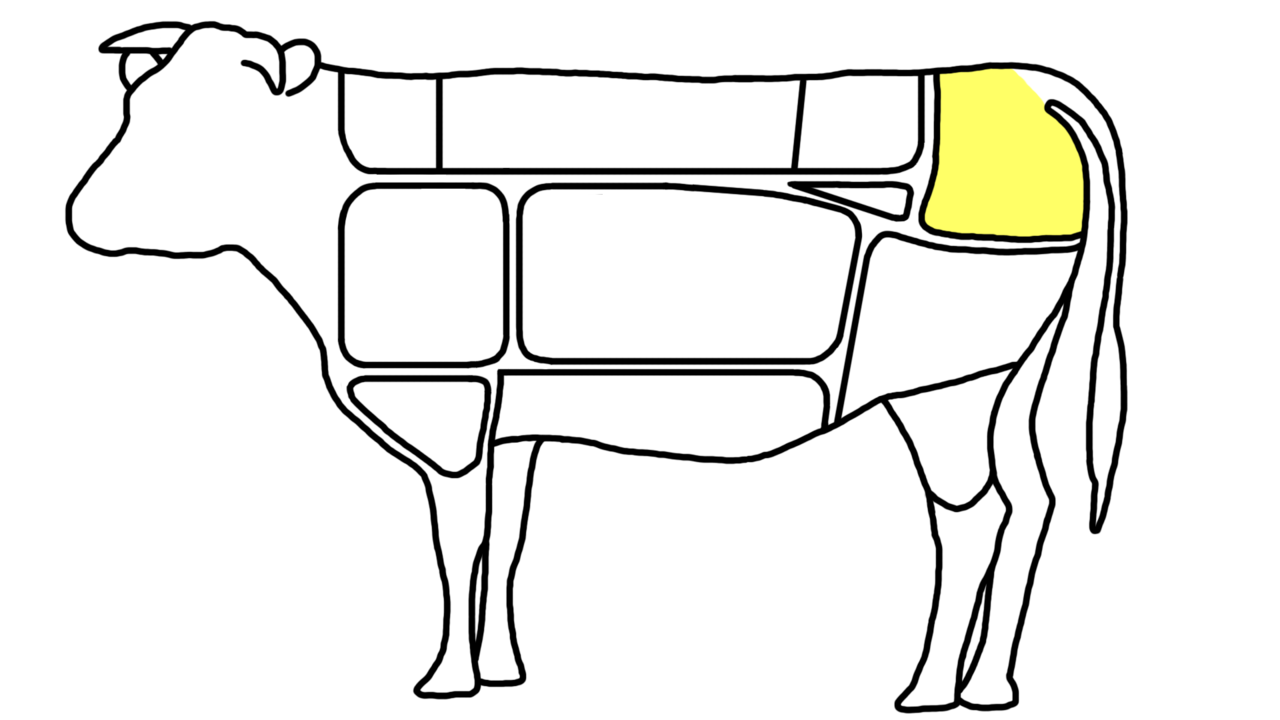
Yukhoe — Korean raw beef — is not made from the expensive marbled cuts. It uses the lean rear-leg muscles: udun (우둔, rump) and the cuts around it, especially hongdukkaesal (홍두깨살, eye of round), and sometimes seoldo (설도) from the outside round.
The logic is the opposite of grilling logic. These muscles work hard, so they are lean, dense and fine-grained — and fat is unpleasant raw. What you want in a raw dish is clean texture and a tight grain that holds its shape when hand-cut into strips. Marbled sirloin would be greasy and would fall apart.
Classification varies between sources — some file hongdukkaesal under udun, others under seoldo. What is consistent: yukhoe uses lean rear-leg beef, and it is a different purchase from grilling beef entirely.
So why is one cut three times the price of another?
Three things, in order of importance: how much of it exists on the animal, how much marbling it carries, and how little work the muscle did. Salchisal is expensive because there is almost none of it. Ansim is expensive because the muscle is idle. Yangji is cheap because a cow has a lot of brisket and brisket works hard.
The price gap, honestly
We are not quoting current prices, because Korean beef prices move constantly and by grade. What is durable is the ratio between cuts, and one dated snapshot shows it clearly.
In a 2026 report using Korea Institute for Animal Products Quality Evaluation retail data, Grade 1 beef ran roughly:
- Ansim (tenderloin) — about ₩15,000 per 100 g
- Deungsim (sirloin) — about ₩10,800 per 100 g
- Yangji (brisket) — about ₩6,700 per 100 g
That is roughly 2.2 to 1 between the most and least expensive of the three, and those were Grade 1 figures — 1++ sits above them. Those prices were already months old when we wrote this and all three had risen 15–18% year on year. Treat the ratio as the information and check Ekapepia, the official livestock price service, for anything current.
Ordering, in practice
- First time, want to understand the fuss? Kkot-deungsim (flower sirloin).
- Want a steak experience? Ansim — but expect mildness, not intensity.
- Find sirloin too soft? Chaekkeut.
- Want the strongest beef flavour? Salchisal or chimasal.
- On a budget at a grill house? Chadolbagi, and pay attention — it cooks in seconds.
And a last one worth saying: a higher grade is not automatically a better meal. 1++ is very rich. Several cuts — chaekkeut, chimasal, salchisal — are chosen for flavour and texture rather than fat, and a 1+ of those can beat a 1++ sirloin for a lot of people.
Copy-paste Korean
| Cut | Show this | Say it | Short version |
|---|---|---|---|
| Sirloin | 등심 | deung-sim | Marbled, rich |
| Flower sirloin | 꽃등심 | kkot-deung-sim | The best of it |
| Tenderloin | 안심 | an-sim | Tender, mild, dear |
| Striploin | 채끝 | chae-kkeut | Firm, beefy |
| Chuck flap | 살치살 | sal-chi-sal | Rare, aromatic |
| Flank | 치마살 | chi-ma-sal | Coarse, juicy |
| Thin brisket | 차돌박이 | cha-dol-ba-gi | Cooks in seconds |
| Korean beef | 한우 | han-u | The breed |
| Top grade | 1++ | tu-ppul | Most marbled |
Where to go next
- Korean BBQ Explained — how the grill works
- Korean Pork, All 17 Ways
- Cold noodles — what closes a beef meal
Sources: Korea Institute for Animal Products Quality Evaluation grading standards (2019 revision), Hanwoo Board cut guides, and retail price reporting. Where sources disagreed, we have said so rather than picking one.