Dwaeji Gukbap at Home — the ₩474 Stick That Fixes It
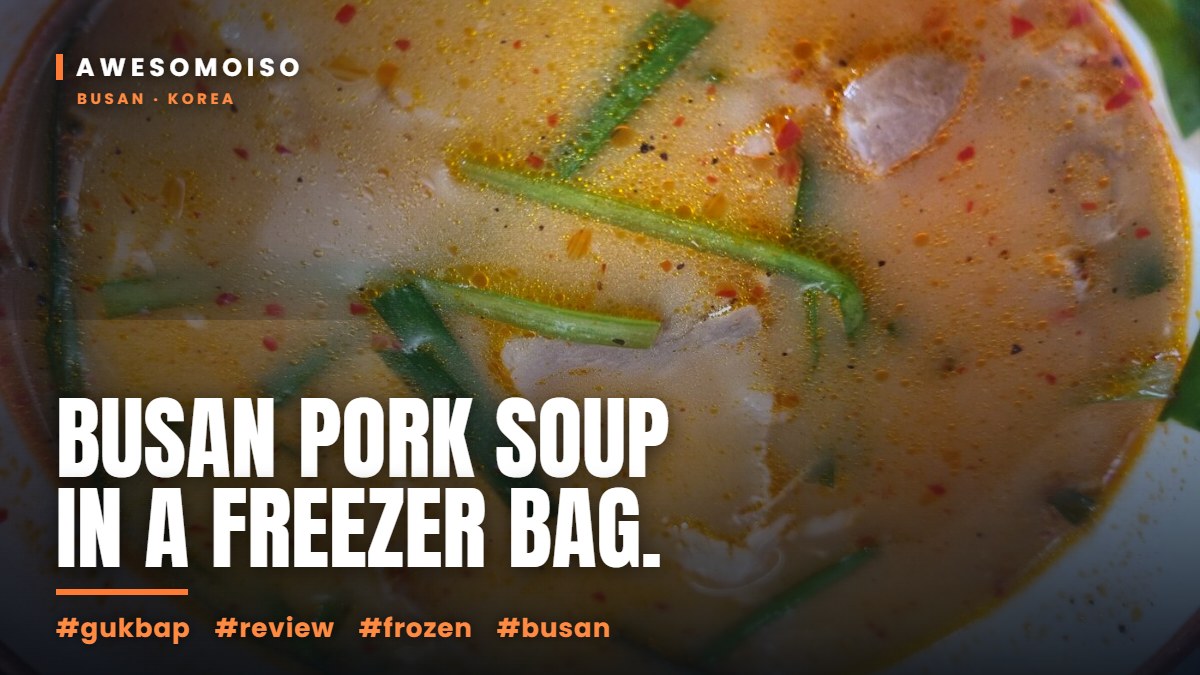
Busan’s pork soup from a frozen pouch. The label shows why it tastes thin — bone content is 1.27% — and why one cheap beef-bone stick repairs it. For residents, not visitors.
AWESOMOISO
 awesomoiso
Busan’s pork soup from a frozen pouch. The label shows why it tastes thin — bone content is 1.27% — and why one cheap beef-bone stick repairs it. For residents, not visitors.
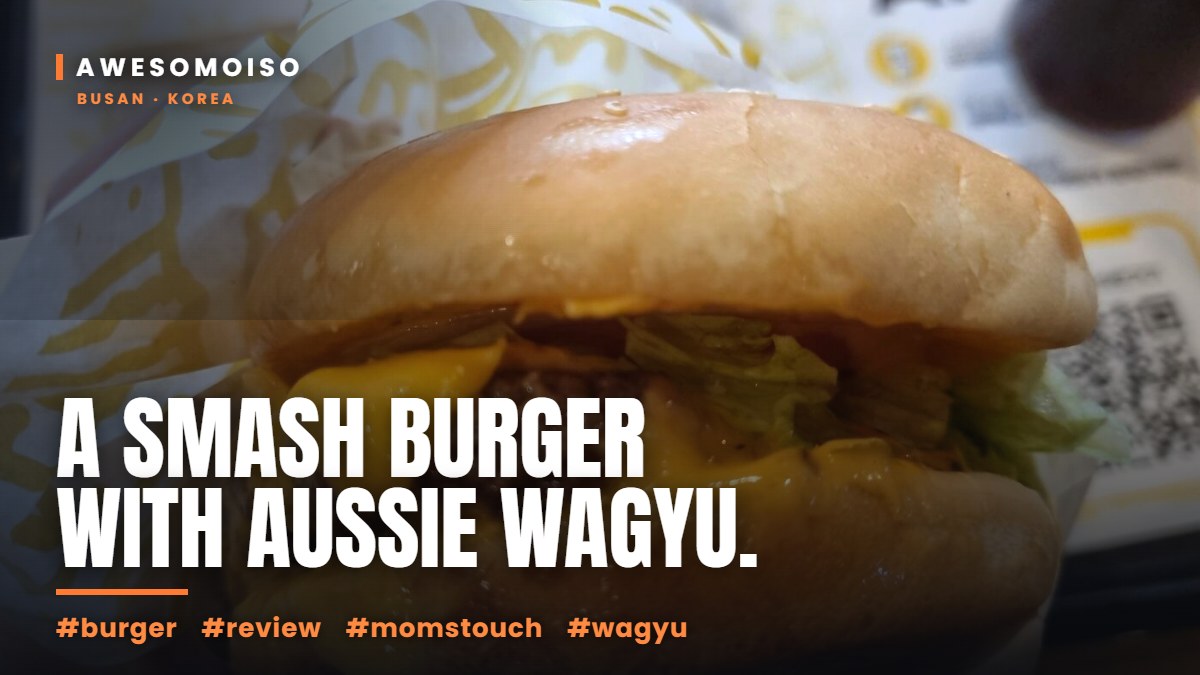
Three beef burgers, three price tiers, one receipt each. The middle one uses the same patty as the expensive one and costs ₩2,100 less. Here is what each step up actually buys you.
A limited-run Korean silk-lantern keyring bundled with a burger meal. The keyring is good. One of the two burger options is not — and the discount is not where you think it is.
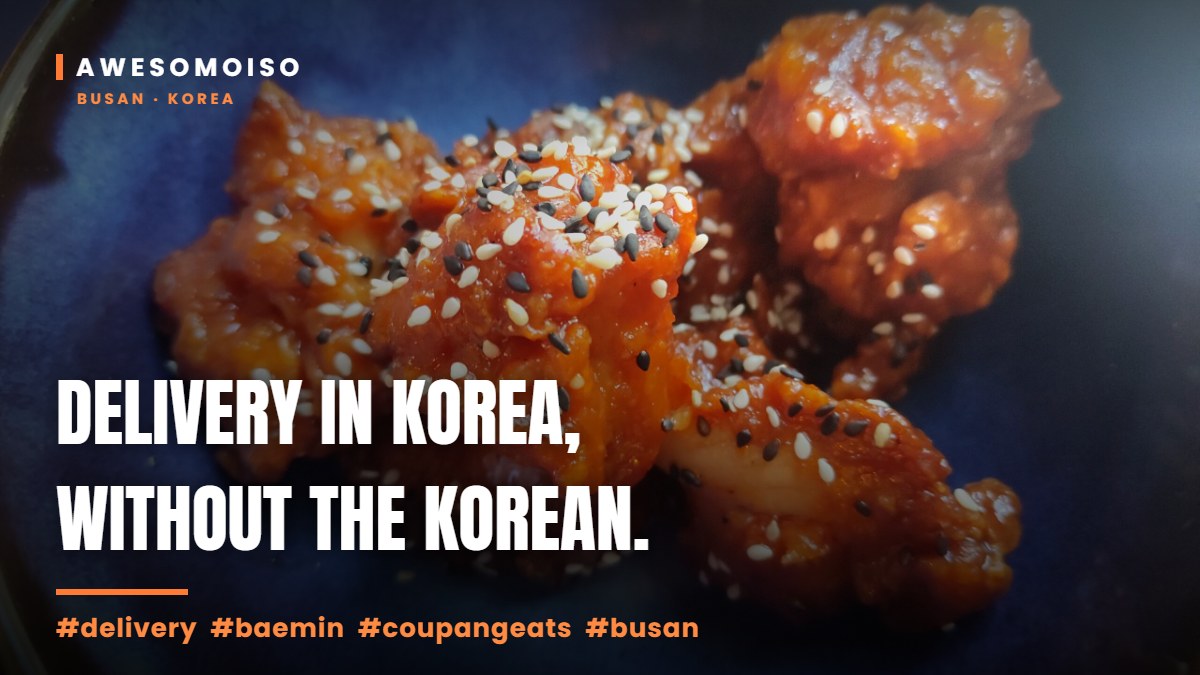
Almost every English guide says foreigners can’t use Korean delivery apps. As of 2026 that’s wrong — Baemin added English in February, dropped the Korean phone requirement, and started taking overseas cards in June. Here’s what works now, and how to get food to a hotel room.

Chewy wheat-and-starch noodles in an ice-cold, faintly medicinal broth for seven to nine thousand won. Busan invented milmyeon when the buckwheat ran out — and no, it isn’t Busan-only. Here’s where else you can get it, and the honest reason to eat it here anyway.
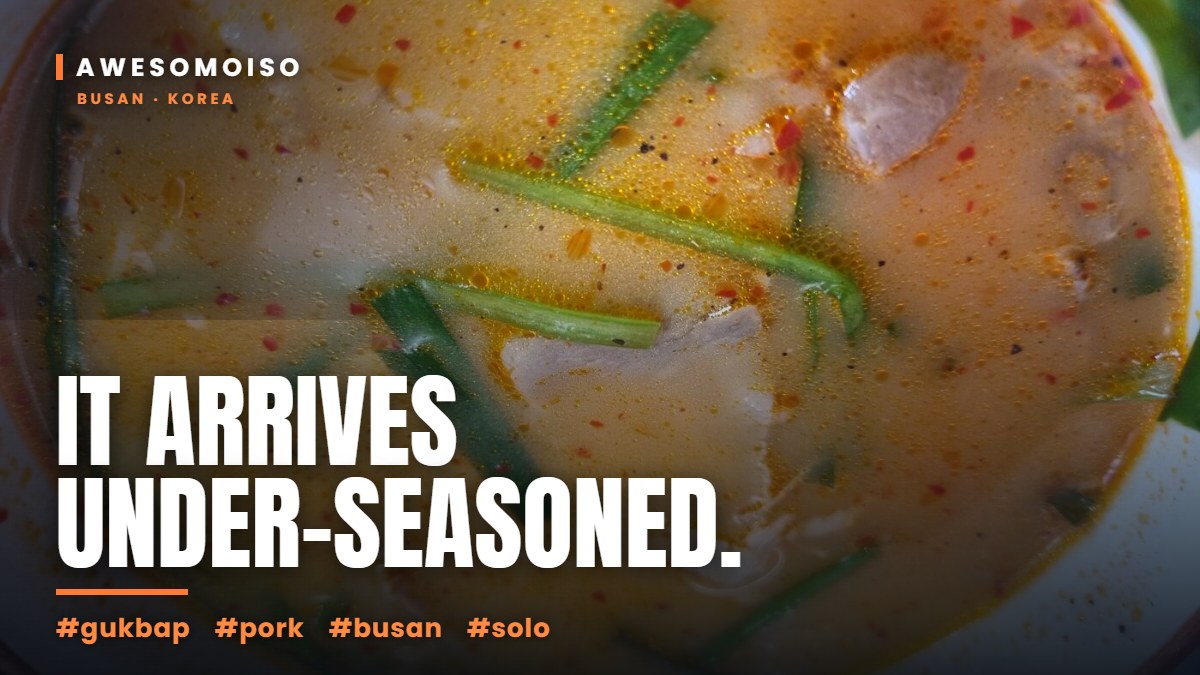
Busan’s own dish is pork bone soup with rice, about ten dollars, sold at every hour. Visitors call it bland because nobody tells them the bowl arrives unfinished — here’s the tray, the menu, the 80°C trick, and the noodles a 1969 law left behind.
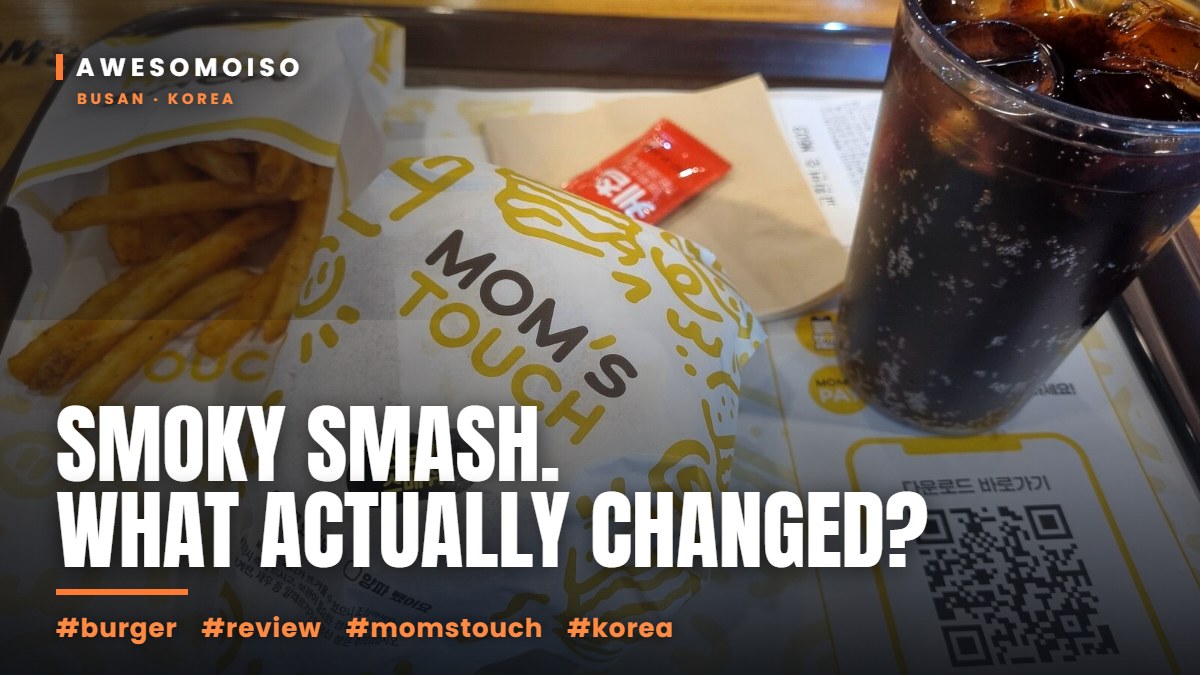
Korea’s biggest burger chain launched a “smoky smash” burger that is neither very smoky nor really a smash. The patty is excellent anyway — plus the hidden ₩18,900 minimum that made the 50% coupon useless.
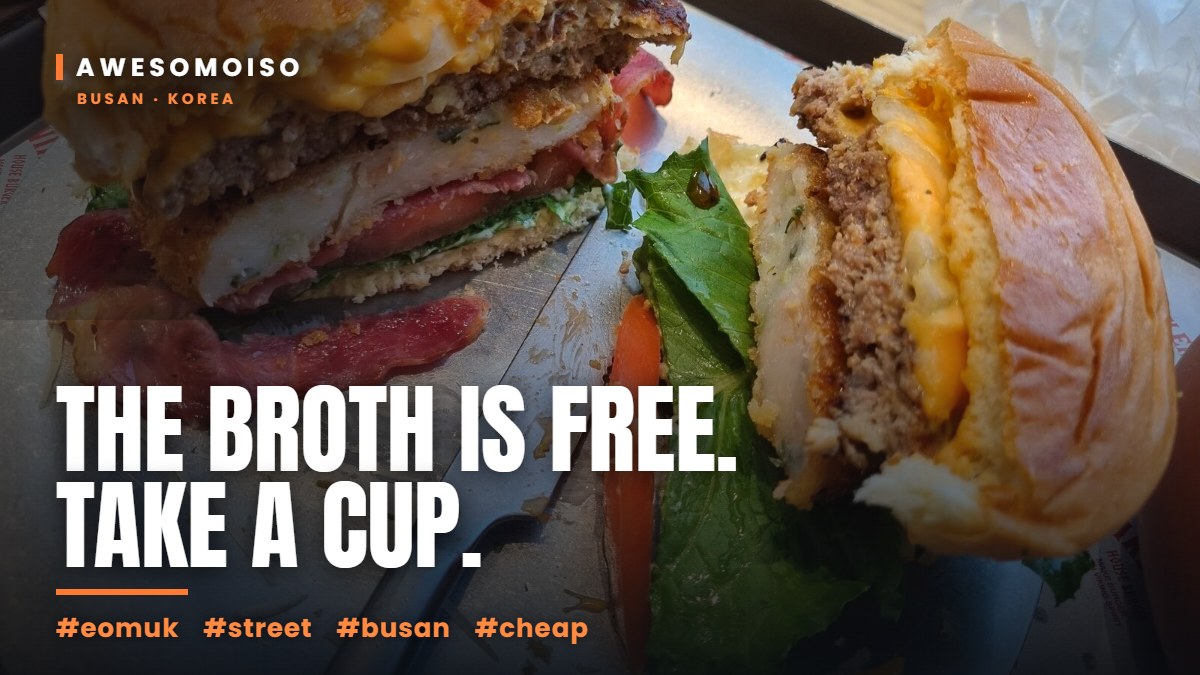
A seventy-three-year-old fish cake company opened a burger restaurant above its own shop, two minutes from Busan Station, and put a pollock patty next to the beef. The promotion that made it cheap has ended — here’s whether it’s still worth a meal at full price.
A cart on a corner, skewers standing in cloudy broth, and a paper cup of that broth handed over free. Eomuk is the cheapest thing in Busan with a war behind it — what it’s made of, why this city owns it, and what to check before you eat it.
Most Busan food guides hand you ten dishes, half of them Korean food you can eat anywhere, and tell you the rest are Busan-only. That last part usually isn’t true. This list sorts nine dishes by where they started, what they cost here, and whether they’re worth one of your meals — plus why almost all of them were invented by refugees.